Music is a universal language, and over time, humanity has developed various systems to make it more accessible to everyone. Among these is jianpu, a traditional numeric music notation system widely used in Chinese music education. With its simple, intuitive approach to representing pitch and rhythm, jianpu has made learning and performing music easier for countless individuals.
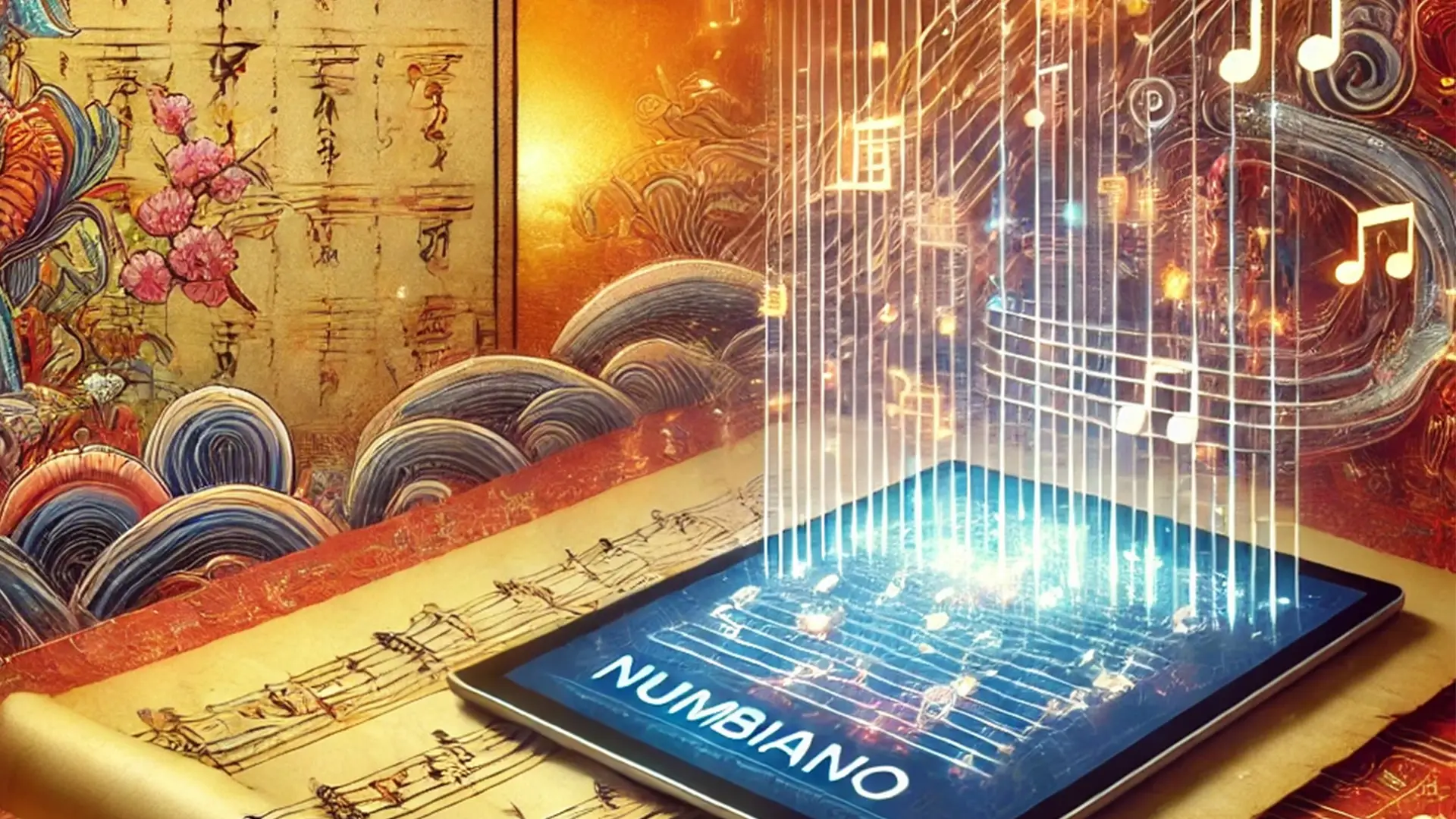
Building on the core concepts of jianpu, the Numbiano music method takes the idea of numeric notation into the digital age, expanding its functionality and accessibility while preserving its simplicity. Let’s explore how Numbiano honors the legacy of jianpu and evolves it for the modern musician.
The Genius of Jianpu
Jianpu, also known as “numbered musical notation,” assigns numbers to musical pitches: 1 corresponds to the tonic, 2 to the supertonic, and so on. A simple set of symbols, dots, and lines indicates pitch, rhythm, and octave, making it an effective tool for teaching and playing music without requiring extensive knowledge of traditional staff notation.
Jianpu’s success lies in its ability to communicate music in a straightforward, logical way. It has been a bridge for people of all skill levels, from beginners to accomplished musicians, to understand and play music intuitively.
How Numbiano Builds on Jianpu
While inspired by the simplicity and accessibility of jianpu, Numbiano takes numeric notation a step further by integrating it into an interactive, digital platform. Here’s how:
- Dynamic Visual Feedback:
Numbiano uses a visually engaging system of numbers, colors, and shapes to represent musical notes. Each number corresponds to a specific pitch relative to the tonal center, just like jianpu. However, Numbiano’s added use of colors and shapes makes it even easier to identify intervals, octaves, and tonal relationships at a glance. - Movable Tonal Center:
Where jianpu is often fixed to a key, Numbiano incorporates the concept of a movable “home” (tonal center). This means songs can be played in any key effortlessly, supporting a deeper understanding of relative pitch and enabling players to adapt songs to their vocal range or preference with a single click. - Digital Interactivity:
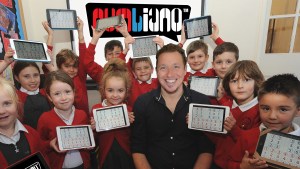
Unlike the static nature of jianpu sheets, Numbiano is designed for smartphones, tablets, and other digital devices. It allows users to press numbered buttons, hear the corresponding pitches, and experiment with melodies in real time. This hands-on experience fosters a deeper connection to music theory and performance. - Inclusivity and Global Appeal:
Jianpu has been most widely used in certain regions, but Numbiano’s universal design aims to make music accessible to everyone, everywhere. It incorporates the strengths of jianpu while broadening its appeal to diverse musical traditions and styles, from folk songs to jazz standards.
A Shared Goal: Making Music Accessible
At its heart, both jianpu and Numbiano share a common mission: to make music learning and playing accessible to everyone, regardless of background or experience. By taking the foundational concepts of jianpu and integrating modern technology and design, Numbiano offers a fresh approach to music education. It invites users to explore, experiment, and enjoy music in ways that are both intuitive and innovative.
A Harmony of Tradition and Progress
The journey from jianpu to Numbiano is a testament to how timeless ideas can inspire new creations. Jianpu laid the groundwork for simplicity and accessibility, and Numbiano carries this torch forward into the digital age, offering a platform that combines tradition with cutting-edge innovation.
Whether you’re a seasoned musician or someone just starting your musical journey, Numbiano empowers you to discover the magic of music in an intuitive, engaging, and deeply rewarding way.
Join the Numbiano revolution and experience how the past and present come together to create the future of music!